
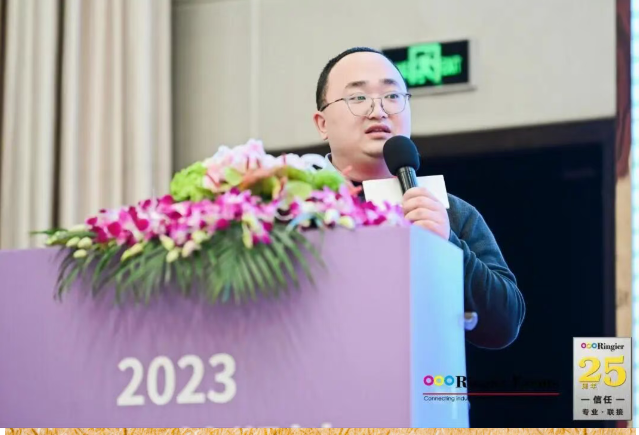
The 2023 Seminar on Innovative Modified Plastics and Masterbatch Technology was held on March 1 at the Longemont Hotel Shanghai. Dr. Zeng from Shanghai Zhantong was honored to attend and deliver a keynote speech titled "Application and Prospect Analysis of a High-Efficiency Bulk Antibacterial Technology in New Energy Vehicle Plastics."
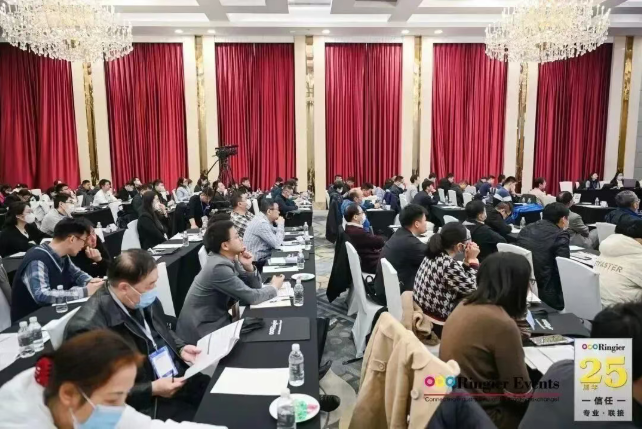
Last year, amidst a challenging international landscape, the volatile prices of raw materials—such as various resins and additives—dealt a significant blow to numerous sectors, including the modified plastics and masterbatch industries. Now that domestic pandemic restrictions have been fully lifted, what paths lie ahead for the development of these industries? Which areas of material and technological innovation can unlock new applications? And how can biodegradable plastics deliver maximum value within the context of a circular economy? Held in Shanghai on March 1, the "2023 Seminar on Innovative Modified Plastics and Masterbatch Technology" offered industry professionals a wealth of fresh insights.
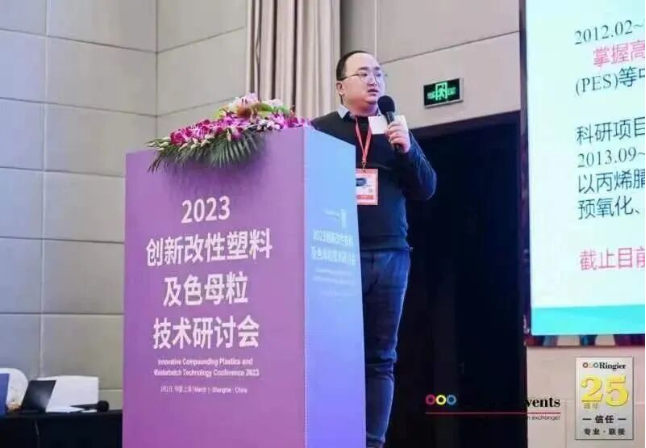
Zeng Bo notes that the antimicrobial materials currently used in automotive interiors primarily include modified plastics, synthetic leather, and fabrics, covering components such as air conditioning systems, seats, steering wheels, and headliners. Based on the underlying antimicrobial technology, these materials can be categorized into intrinsic (internal) and extrinsic (surface-applied) antimicrobial materials.
Overall, the research and application of antimicrobial materials in the automotive industry are still in their infancy. Since the outbreak of COVID-19, vehicle manufacturers have actively pursued research into the application of these materials. One brand has already introduced aftermarket antimicrobial accessory options for seat cushions (fabric) and steering wheel covers (microfiber leather). Given the current state of development, antimicrobial materials for new energy vehicles must—in addition to ensuring antimicrobial efficacy—prioritize the following aspects:
Environmental friendliness, including factors such as odor, VOC emissions, and the absence of restricted substances.
The selection of antimicrobial agents and their impact on color, appearance, and aging resistance.
The durability of the antimicrobial effect, specifically regarding performance retention after wear or material aging.
Biocompatibility, ensuring that antimicrobial additives do not bioaccumulate at the top of the food chain through natural degradation processes or cause toxicity to organisms within the food chain.
Attending this event provided us with valuable insights into the latest technologies, processing techniques, innovative applications, and industry trends. It gave us a conceptual understanding of future market dynamics, advanced technologies, and innovative processes in the modified plastics sector, offering useful guidance for our own technical development. Furthermore, we connected with industry peers focused on technical innovation, creating opportunities for future collaboration; we exchanged information about our respective products and discussed potential areas and directions for working together.
本网站使用 cookie 来确保您在我们的网站上获得最佳体验。
 English
 Español
 Pусский
 Français
 Deutsch
 日本語
日本語 العربية
 Türk dili
 Indonesia



 电话
电话
评论
(0)